Facility Manager’s Guide: How to Choose the Right Cleaning Chemical for Every Surface
Armchem StoreShare
Use the wrong cleaner and you’ll damage surfaces, waste money, and spend twice as long getting half the results. Use the right one and cleaning becomes effortless.
The problem? Most facilities rely on generic “all-purpose” cleaners that promise to handle everything but actually excel at nothing. Grout stays dirty. Stainless steel streaks. Carpets resoil within days. You’re working harder and spending more while surfaces deteriorate.
This guide will save you thousands in damaged equipment and wasted labor by teaching you the single most important principle of commercial cleaning: match the chemistry to the surface.
Understanding pH: The Key to Everything
Every cleaning decision starts with pH, the measure of how acidic or alkaline a solution is, rated on a scale from 0 to 14.
pH 0-6 (Acidic): Dissolves mineral deposits, hard water stains, rust, and lime scale. Use on toilets, tile, and glass. Never use on metals that corrode or natural stone.
pH 7 (Neutral): Safe for all surfaces but limited cleaning power. Use for routine maintenance on sensitive materials like wood or aluminum.
pH 8-14 (Alkaline): Breaks down organic matter, grease, oils, and proteins. Use on floors, kitchens, and heavily soiled areas. Avoid on glass (causes streaking) and aluminum (causes oxidation).
Why matching matters: Using acidic cleaner on grease accomplishes nothing, the chemistry doesn’t match the soil. Using alkaline cleaner on hard water stains is equally futile. Wrong pH wastes time, product, and often damages the surface you’re trying to clean.
Damage from wrong pH: Highly acidic cleaners etch natural stone and corrode metals. Highly alkaline cleaners break down grout binders and discolor certain plastics. The cumulative effect of wrong pH over months can require complete surface replacement.
Surface-by-Surface: What Actually Works
Tile & Grout
The challenge: Grout is porous cement that absorbs everything it touches. Standard cleaners often leave residue that attracts more dirt, creating a cycle where grout looks dirty days after cleaning.
pH requirements: pH 7-10 for regular maintenance. This range breaks down organic soils without degrading the cement binder in grout.
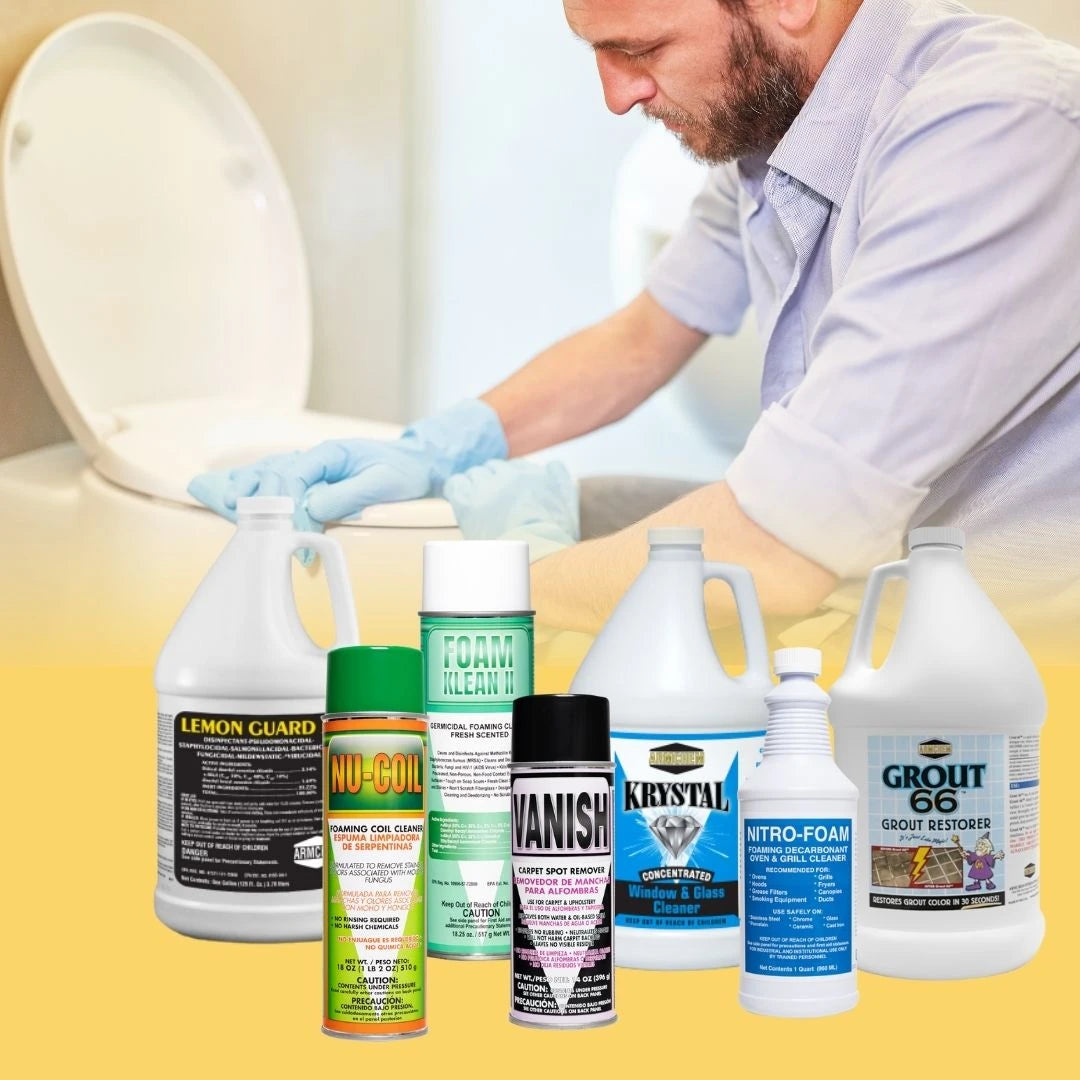
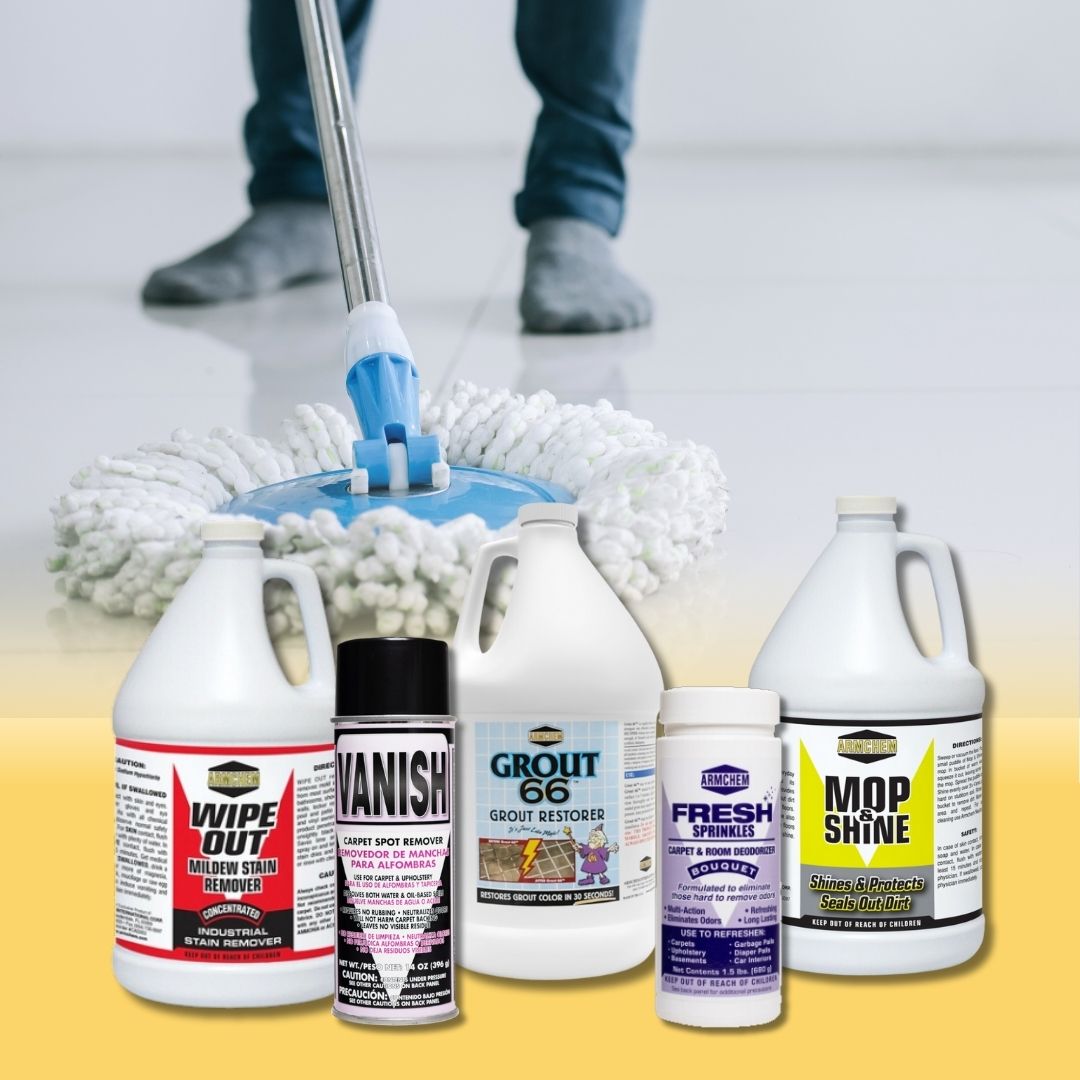
What works: Grout66 operates at pH 9.5, providing strong cleaning action on typical commercial soils while preserving grout integrity. The low-residue formula means cleaned grout stays clean longer, breaking the re-soiling cycle that plagues most facilities.
Maintenance frequency: High-traffic areas need weekly cleaning. Moderate traffic every 2-3 weeks. Low-traffic monthly. The key is consistency before soil becomes embedded.
Stainless Steel
The challenge: Stainless steel resists corrosion via a thin chromium oxide layer. Scratches, harsh chemicals, and residue-leaving cleaners damage this protection, leading to oxidation, fingerprints, and dull appearance.
What to avoid: Abrasive tools, chlorine bleach, cleaners containing hydrochloric acid, and generic all-purpose sprays that leave streaky residue.
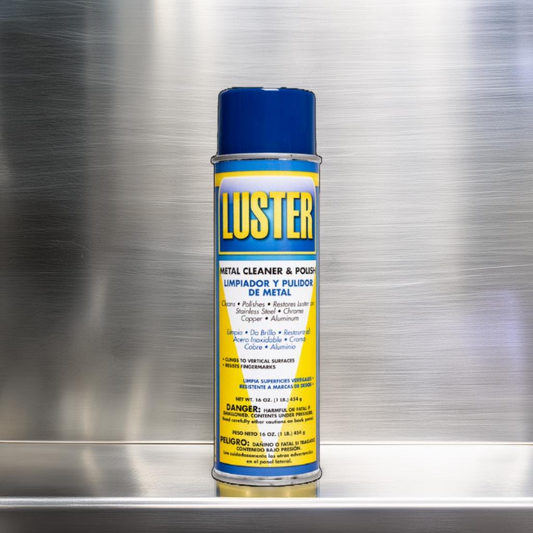
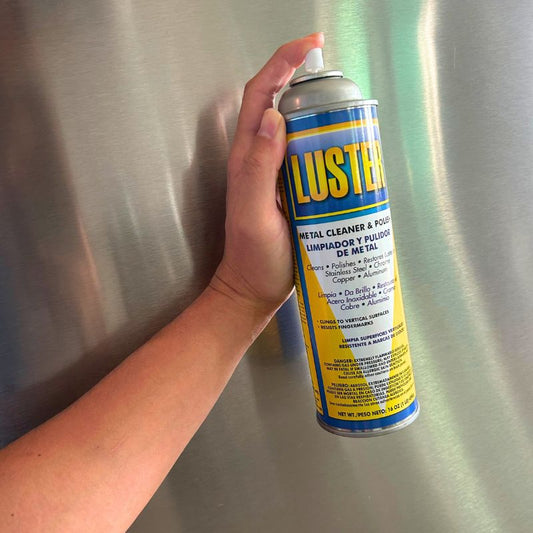
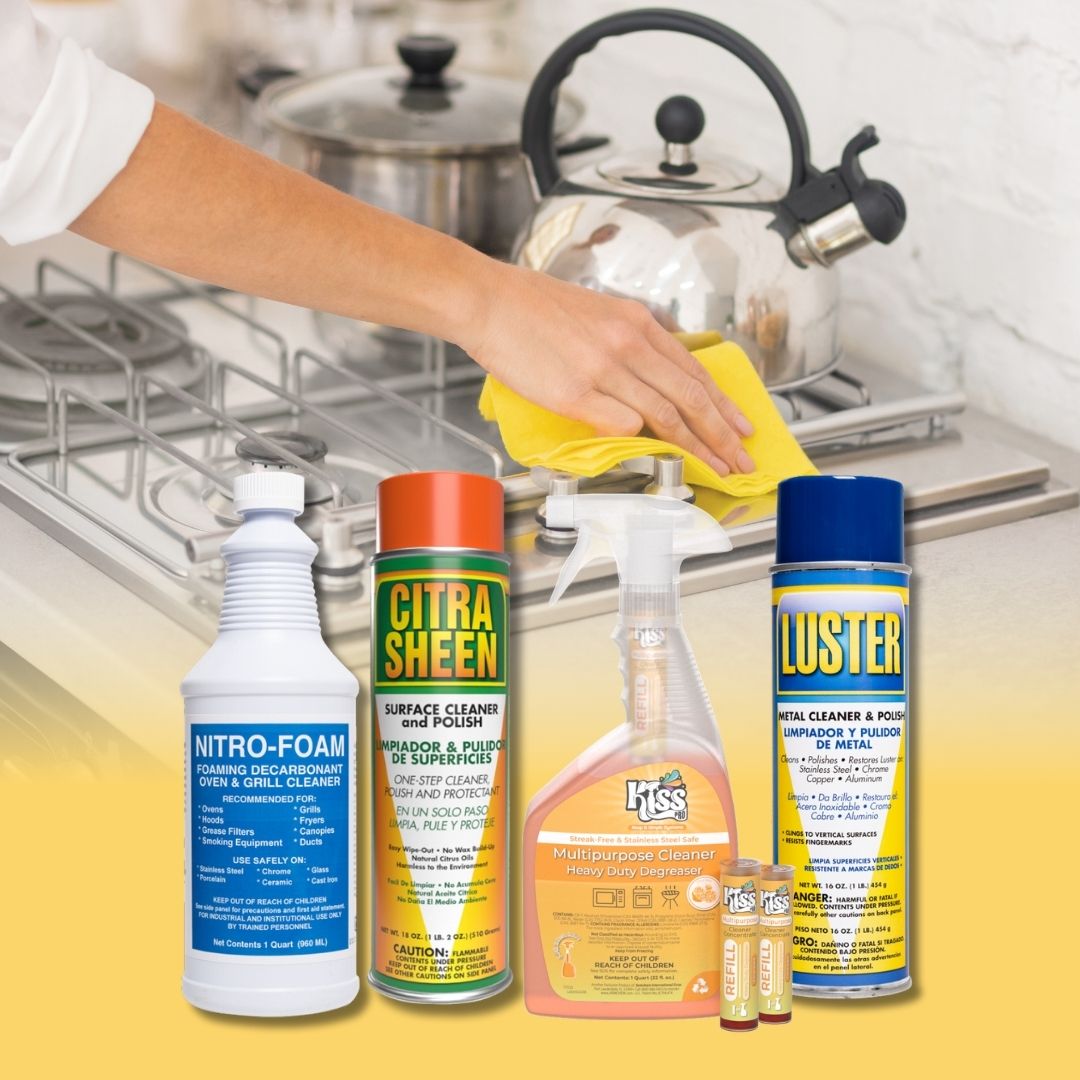
What works: Luster Stainless Steel Polish cleans, protects, and polishes in one step. It removes soil and fingerprints while depositing a protective layer that resists future contamination. The formula is pH-balanced to work with stainless steel’s natural chemistry rather than against it.
Proper technique: Always wipe with the grain (the subtle parallel lines visible on the surface). Spray Luster, wipe with the grain using a microfiber cloth, then buff dry with a clean cloth. Total time: 15-20 seconds per linear foot.
Carpets & Upholstery
The challenge: Different fiber types (nylon, polyester, wool) react differently to cleaners. Protein stains set permanently if treated with heat. Over-wetting damages backing and creates mold risk.
Stain-specific requirements: Protein stains (blood, food) need cold water and enzymes. Tannin stains (coffee, wine) need immediate treatment before oxidation. Oil-based stains need surfactants to emulsify.
What works: Vanish Carpet Spot Remover handles the 80% of commercial carpet stains that are water-based or combination soils. The multi-surfactant system lifts soil without excessive moisture, and the low-residue formula prevents rapid resoiling.
Spot treatment vs. deep cleaning: Vanish excels at immediate spot treatment, the 60-second response that prevents permanent staining. For quarterly deep cleaning of large areas, professional extraction equipment remains necessary.
HVAC Coils
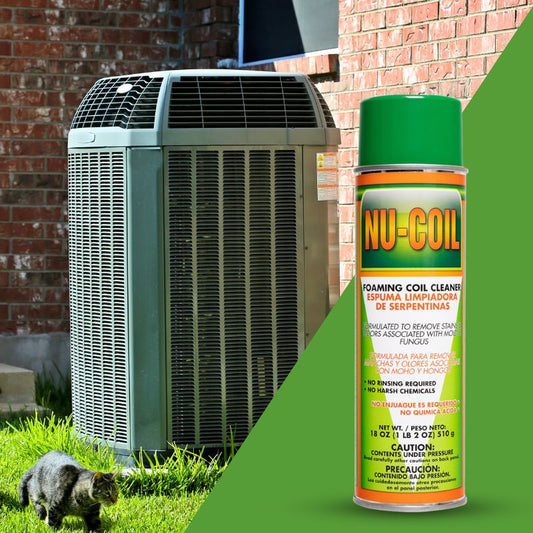
The challenge: Condenser and evaporator coils accumulate dust, pollen, grease, and debris that acts as insulation, reducing heat transfer efficiency by 30% or more. Standard cleaners can’t penetrate between tightly-spaced fins.
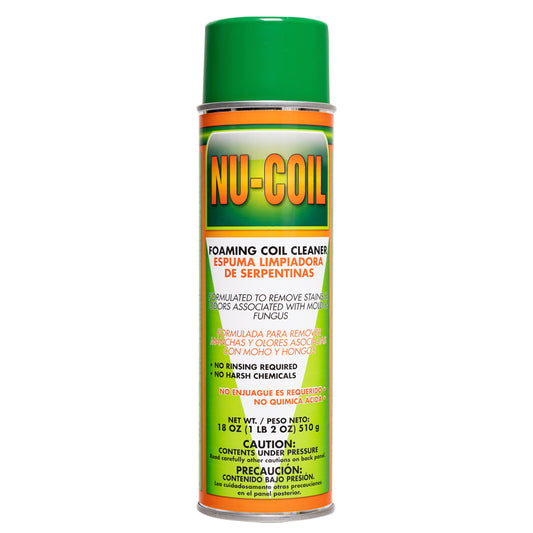
Why specialized cleaners matter: Coil-specific formulas like Nu-Coil use alkaline chemistry (pH 11-12) to break down the oils and organic matter that accumulate on coils. The foaming action is critical, it clings to vertical surfaces and expands into areas spray cleaners can’t reach.
Application method: Shut off power, spray Nu-Coil liberally on coil surfaces, allow 10-15 minutes dwell time for the foam to work, then rinse thoroughly from the clean side outward. The foam pushes debris out rather than deeper in.
Safety considerations: Always de-energize equipment before cleaning. Use safety glasses and chemical-resistant gloves. Ensure adequate ventilation when cleaning indoor evaporator coils.
High-Touch Surfaces
Disinfecting vs. cleaning: Cleaning removes visible. Disinfecting kills pathogens. You must clean first , disinfectants don’t work effectively on soiled surfaces. Most facilities need both.
Residue concerns: Many disinfectants leave sticky residue that attracts dirt and creates the need for more frequent cleaning. Choose products formulated for no-rinse application on high-touch surfaces.
Frequency needs: Door handles, elevator buttons, and light switches in high-traffic facilities benefit from multiple daily cleaning/disinfecting cycles. Less-touched surfaces can extend to daily or every-other-day treatment.
Reading Labels: Don’t Get Fooled
Key terms to look for: “Low residue,” “pH balanced for [specific surface],” “concentrated formula” (better value than ready-to-use), and specific surface compatibility listings.
Red flag ingredients: Hydrochloric acid in anything marketed for regular use (too aggressive), d-limonene in concentrations above 5% (can damage certain plastics), and ambiguous terms like “proprietary surfactant blend” without any specifics.
Concentration vs. ready-to-use: Concentrates offer dramatically better value. A $35 gallon of concentrate diluting at 4:1 yields 5 gallons of working solution, $7 per gallon. A $12 ready-to-use quart costs $48 per gallon equivalent. The math is simple.
Safety Data Sheets (SDS): Always review the SDS before first use. It details hazards, handling requirements, first aid measures, and disposal procedures. Store SDS in an accessible location—OSHA requires immediate access during emergencies.
Building Your Core Arsenal: Five Products Every Facility Needs
1. Grout66 (pH-balanced grout cleaner): Handles tile and grout in restrooms, kitchens, entryways, and any tiled surface. Budget allocation: 15-20% of cleaning chemical spend for facilities with significant tile.
2. Luster (stainless steel polish): Essential for commercial kitchens, healthcare facilities, and any environment with stainless equipment or fixtures. Budget allocation: 10-15% for food service, 5-8% for other facilities.
3. Vanish (carpet spot remover): Critical for immediate stain response in carpeted areas. Keep bottles staged in multiple locations for rapid deployment. Budget allocation: 8-12% depending on carpeted square footage.
4. Nu-Coil (HVAC coil cleaner): Quarterly coil maintenance prevents 30%+ energy waste and extends equipment life by years. Budget allocation: 5-8%, with dramatic ROI through energy savings.
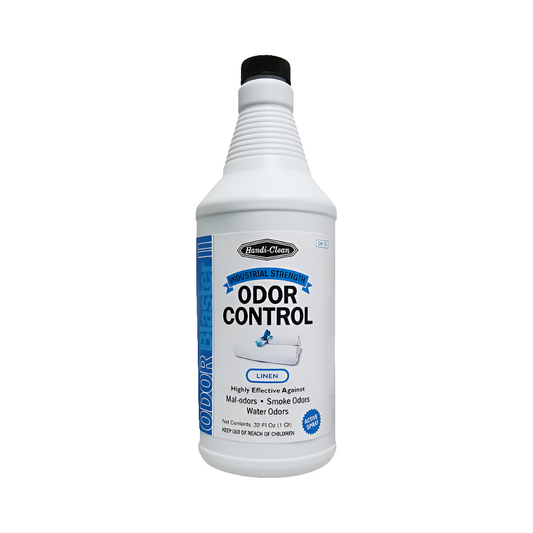
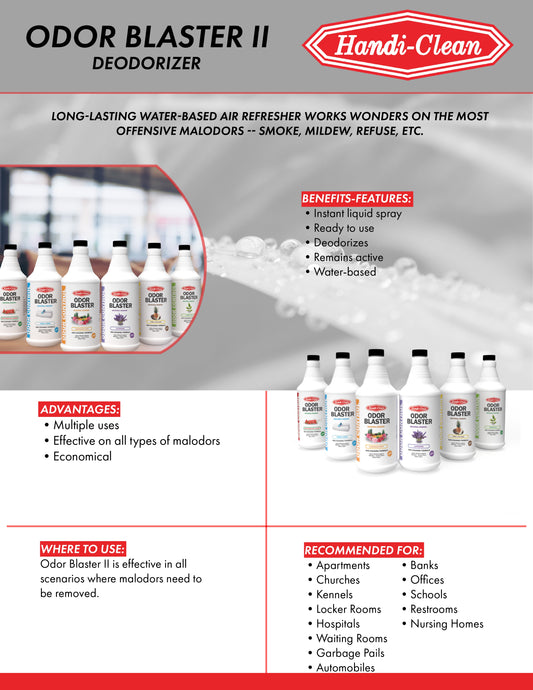
5. Eliminator (molecular odor neutralizer): Replaces ineffective air fresheners in gyms, restaurants, healthcare facilities, and anywhere persistent odors impact reputation. Budget allocation: 8-12% for odor-critical facilities, 3-5% for others.
Storage requirements: Keep concentrated products in original containers in cool, dry locations away from direct sunlight. Maintain separate storage for acids and alkalis—they react violently if mixed. Label all dilution bottles clearly with contents, dilution ratio, and mixing date.
Common Mistakes That Waste Money
Mixing chemicals: Never combine products unless specifically instructed by the manufacturer. Mixing alkaline and acidic cleaners creates violent reactions. Mixing bleach with ammonia produces toxic chloramine gas. When in doubt, don’t mix.
Using expired products: Most cleaning chemicals maintain effectiveness for 2-3 years when stored properly, but enzymes and oxidizing agents degrade over time. Date products upon receipt and rotate stock to use oldest first.
Improper dilution: More concentrated doesn’t mean better cleaning—it means wasted product and potential surface damage. Use measuring tools, not guesswork. Many facilities waste 30-40% of product through over-dilution or under-dilution.
You’re Now an Expert
You understand pH principles, know which cleaner matches which surface, can read labels intelligently, and recognize false economy when you see it.
The five products outlined—Grout66, Luster, Vanish, Nu-Coil, and Eliminator—form a complete facility maintenance system covering tile, stainless steel, carpet, HVAC, and odor control. Together, they handle 90%+ of commercial cleaning challenges while protecting your surfaces and your budget.
Ready to upgrade your facility maintenance program? Shop our complete facility solutions at armchem.com/collections/facility-care and experience the difference professional-grade chemistry makes.

1 comment
This article makes a good point about not treating every surface the same. A cleaner that works well on tile or grease may be completely wrong for stainless steel, wood, or other sensitive materials. In commercial cleaning, having the right maintenance supplies for each type of job can save a lot of time and prevent unnecessary surface damage. Pro-San has a range of cleaning and facility-care products here: https://www.pro-san.com/catalog/